Neural Interfaces — Printed Artificial Neurons Link with the Human Brain
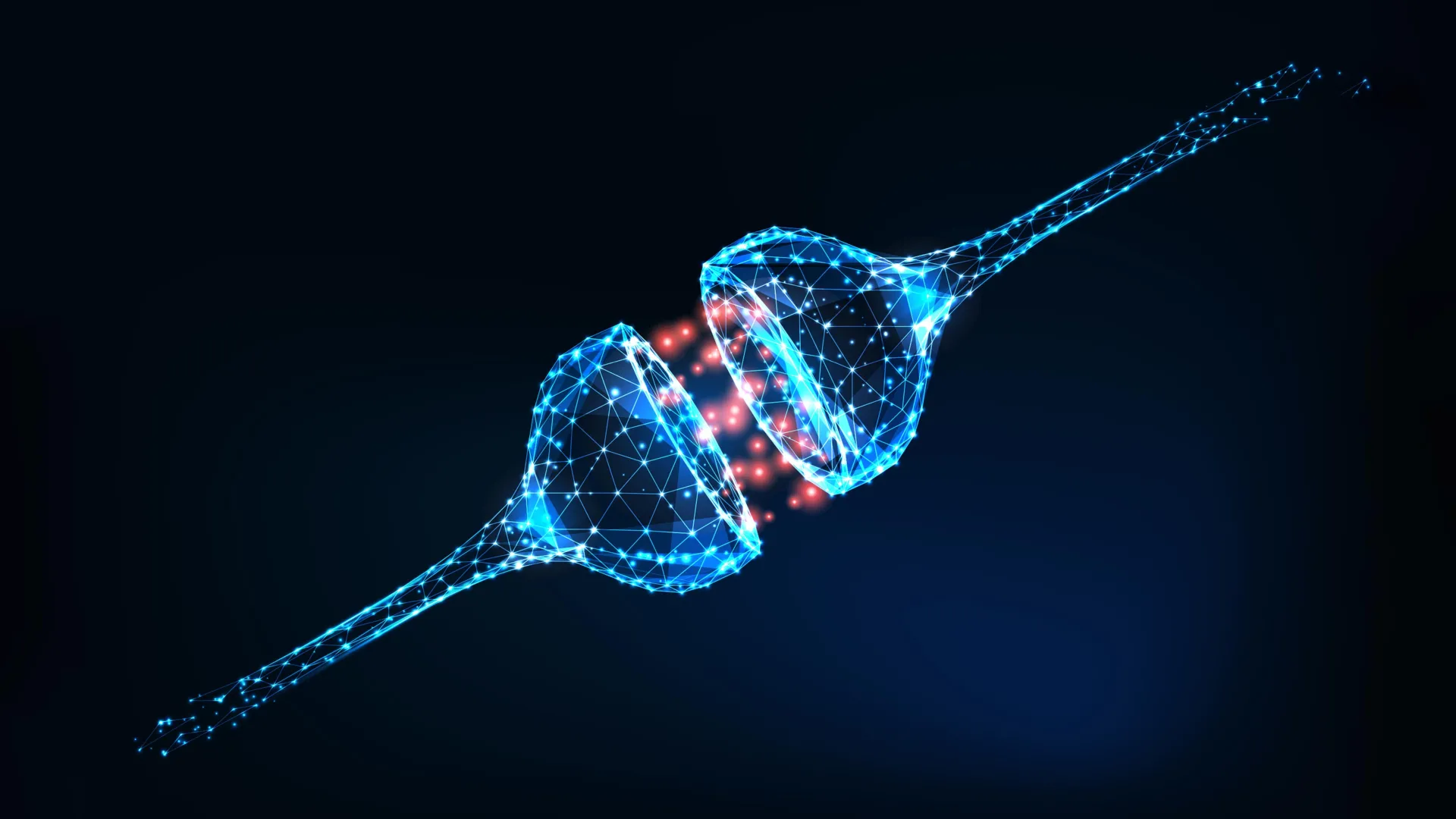
Scientists are pushing the boundaries of neuroscience with a new development in neural–brain interfaces: printed artificial neurons that can successfully connect and communicate with human brain cells. The breakthrough signals a major step toward more natural and effective integration between biological systems and machines.
At the heart of this innovation is the concept of Brain–Computer Interface (BCI), which enables direct communication between the brain and external devices. Traditionally, BCIs have relied on electronic signals to interpret brain activity. However, printed artificial neurons introduce a more biologically compatible approach, mimicking the way real neurons process and transmit information.
These artificial neurons are created using advanced printing techniques and specialized materials that can replicate key functions of natural nerve cells. When connected to living brain tissue, they are able to respond to electrical signals and transmit information in ways that closely resemble biological neural networks. This allows for smoother interaction between human neurons and artificial systems.
The implications for medicine are significant. Researchers believe this technology could improve treatments for neurological conditions such as Parkinson’s Disease, Alzheimer’s Disease, and spinal cord injuries. By restoring or replacing damaged neural pathways, artificial neurons could help recover lost functions such as movement, memory, or sensory perception.
Beyond healthcare, the development also opens possibilities for enhanced human–machine interaction. More advanced BCIs could enable direct control of computers, prosthetics, and other devices with greater precision, potentially transforming how humans interact with technology.
Despite the promise, the technology is still in its early stages. Challenges remain in ensuring long-term stability, safety, and ethical use. Integrating artificial systems with the human brain raises important questions about privacy, identity, and the limits of human enhancement.
Pi Insight
Printed artificial neurons bring technology closer to thinking like the human brain.
The future of innovation may not just connect humans to machines—it may begin to blur the line between them.
Image Source: Shutterstock | Science Daily